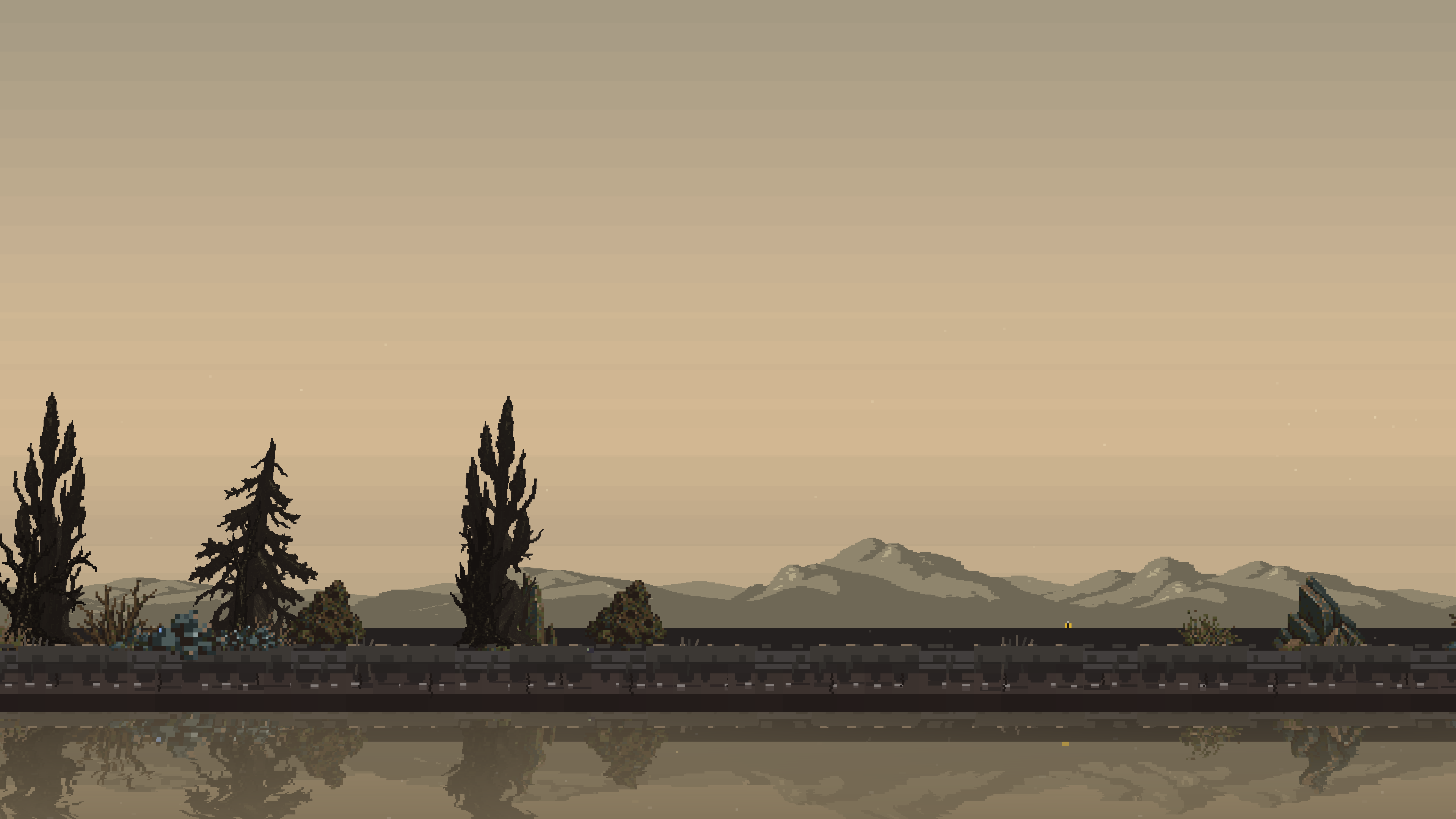
Before we start raising walls, let’s look at the world around them. Ghosthold has ten biomes, from the familiar woods around your first fire to marshes, snowfields and volcanic ground.
A biome shapes the whole landscape: its tree families and forest density, the skyline behind them, the soil underfoot, the water, the haze and the small plants and stones along the path. Seeded placement brings those pieces together, giving each area its own arrangement while keeping a recognisable identity.
There are practical differences, too. Some places favour building, healing or bow range; others bring faster wraiths, fewer deer or slower recovery. Choosing where to settle means getting to know the ground you’re standing on.
The views below take a daylight walk through each biome.
Forest
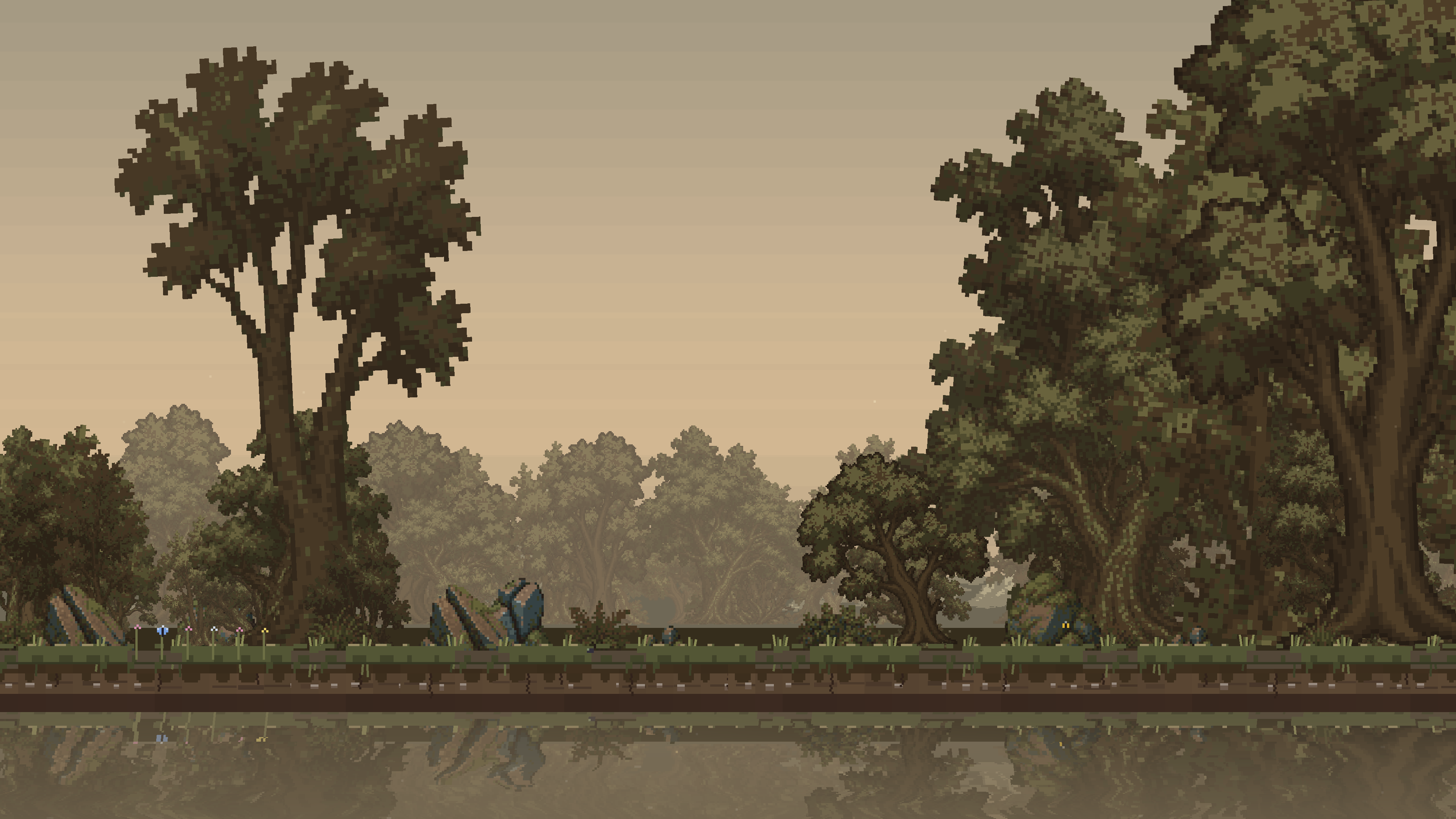
Layered broadleaf crowns, mossy stone and low plants make this the familiar starting ground. The forest has no special ecological bonus or penalty: it gives you a baseline to learn from before the stranger places ahead.
Village
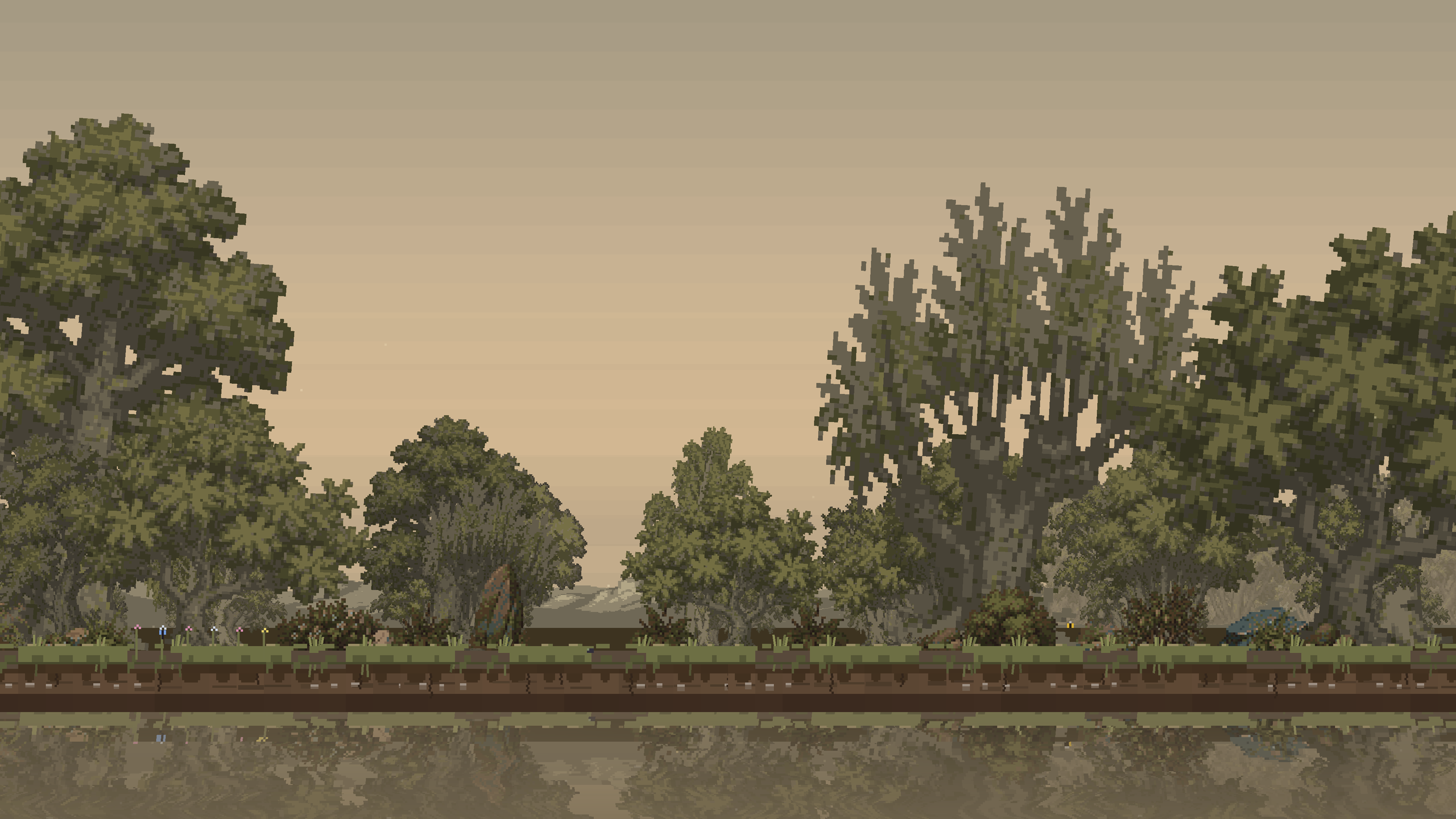
Pale trunks and groves give this landscape a gentler outline. Building is quicker here, but the wraiths move faster too; a promising place to grow still needs a defence.
Mountains
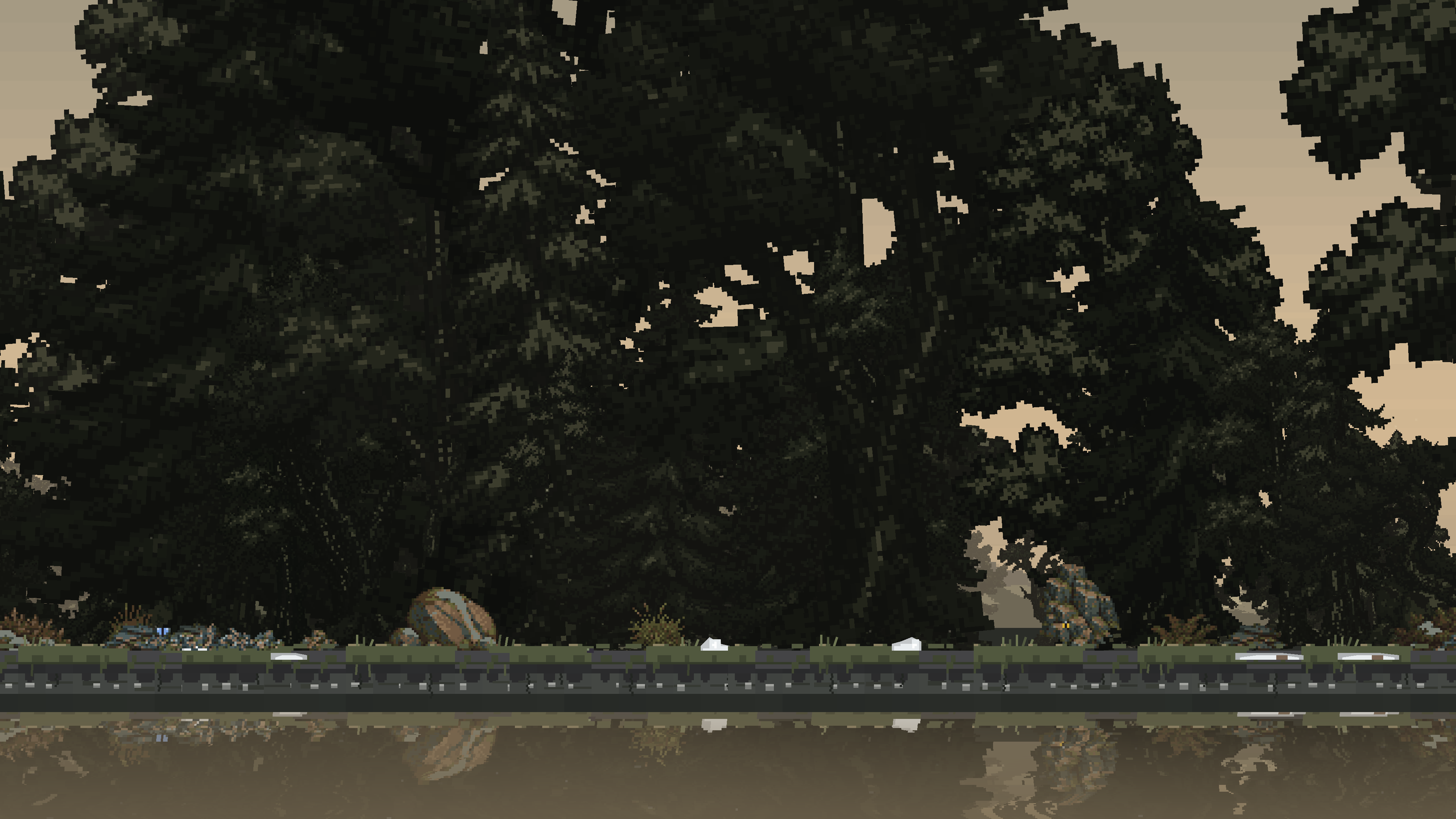
Dark pines and a stronger skyline make the mountains feel enclosed and watchful. Archers gain reach here, while builders need more time to finish their work.
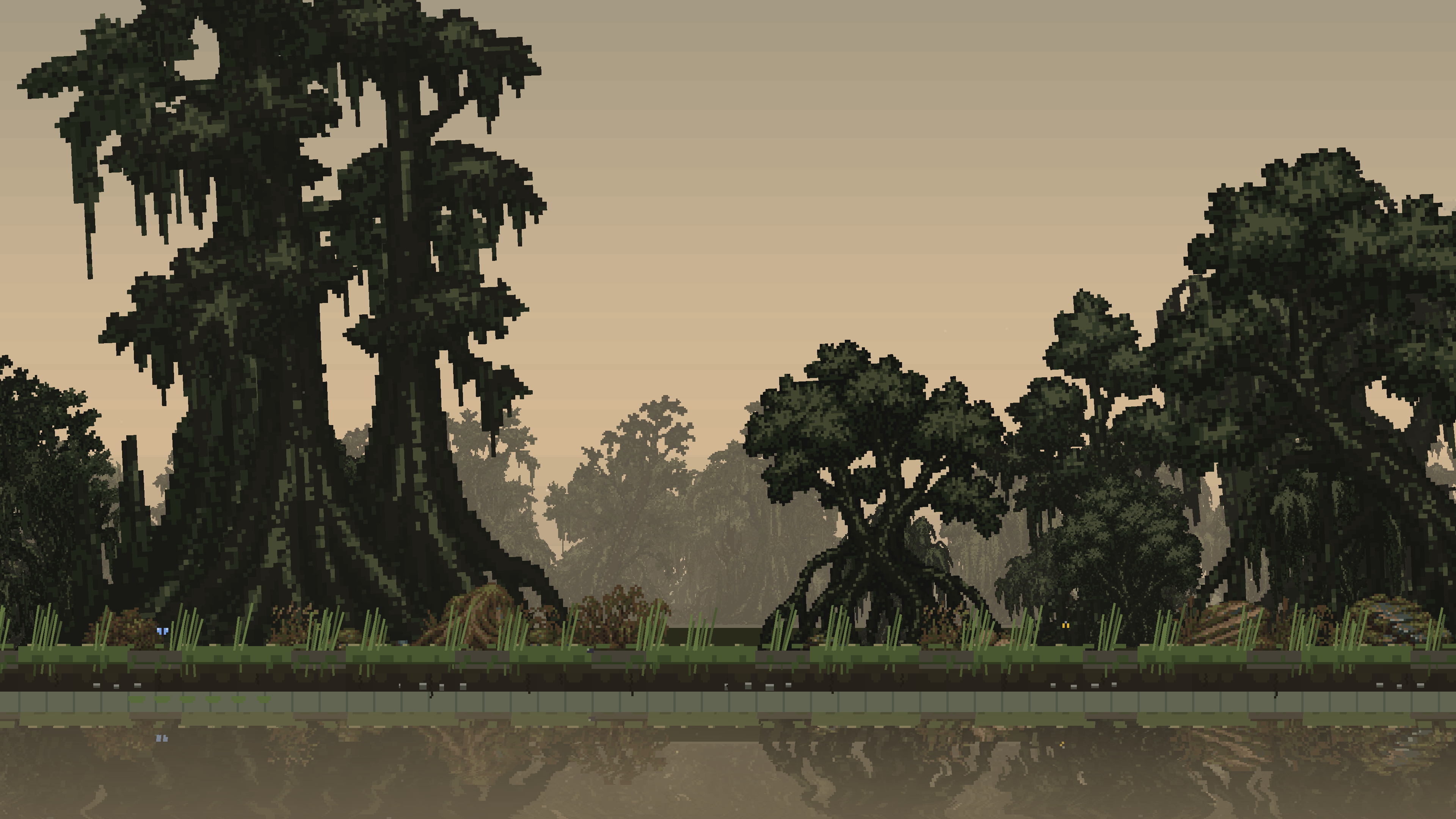
Swamp
Twisted roots, hanging foliage and reeds crowd the edge of the water. Healing is faster in the swamp, but the shorter bow range changes how close danger can get before your archers answer.
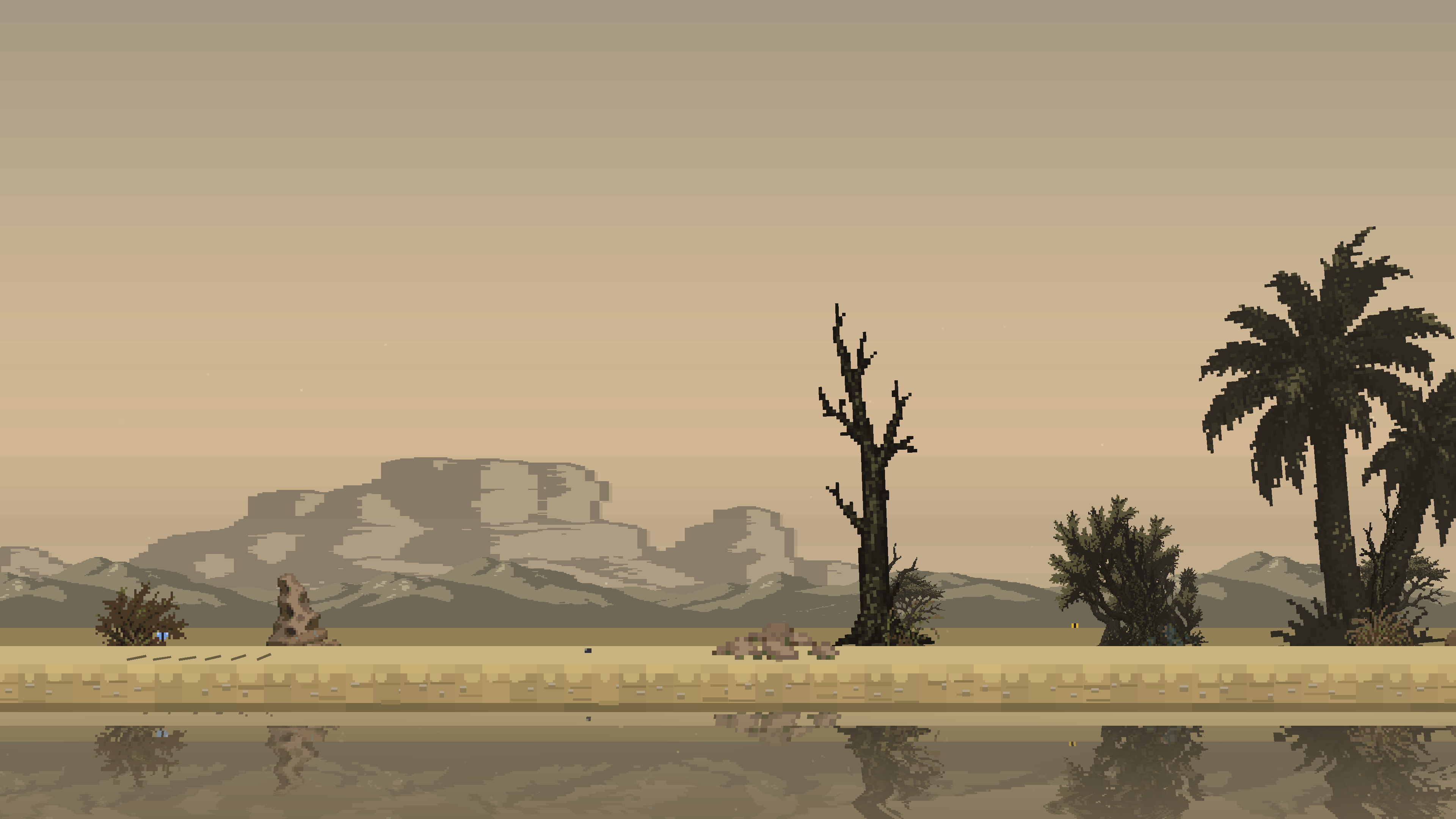
Sand
Dry vegetation and exposed geology leave more open space between the silhouettes. Construction is quicker on this ground, while deer appear less often.
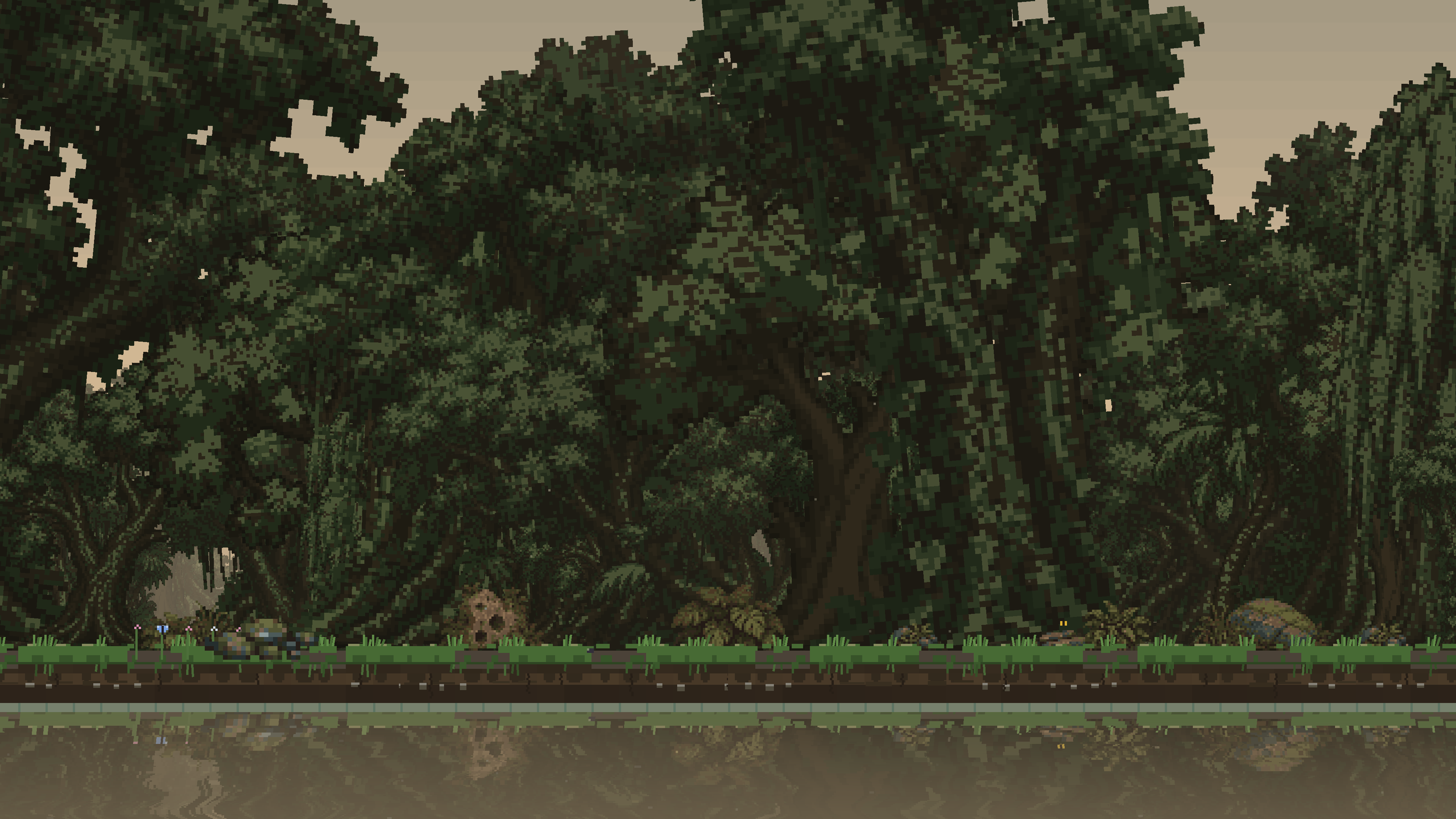
Jungle
Broad leaves, palms and tangled canopies give the jungle a dense, layered shape. It offers faster healing, but faster wraiths make the paths beyond the fire less forgiving.
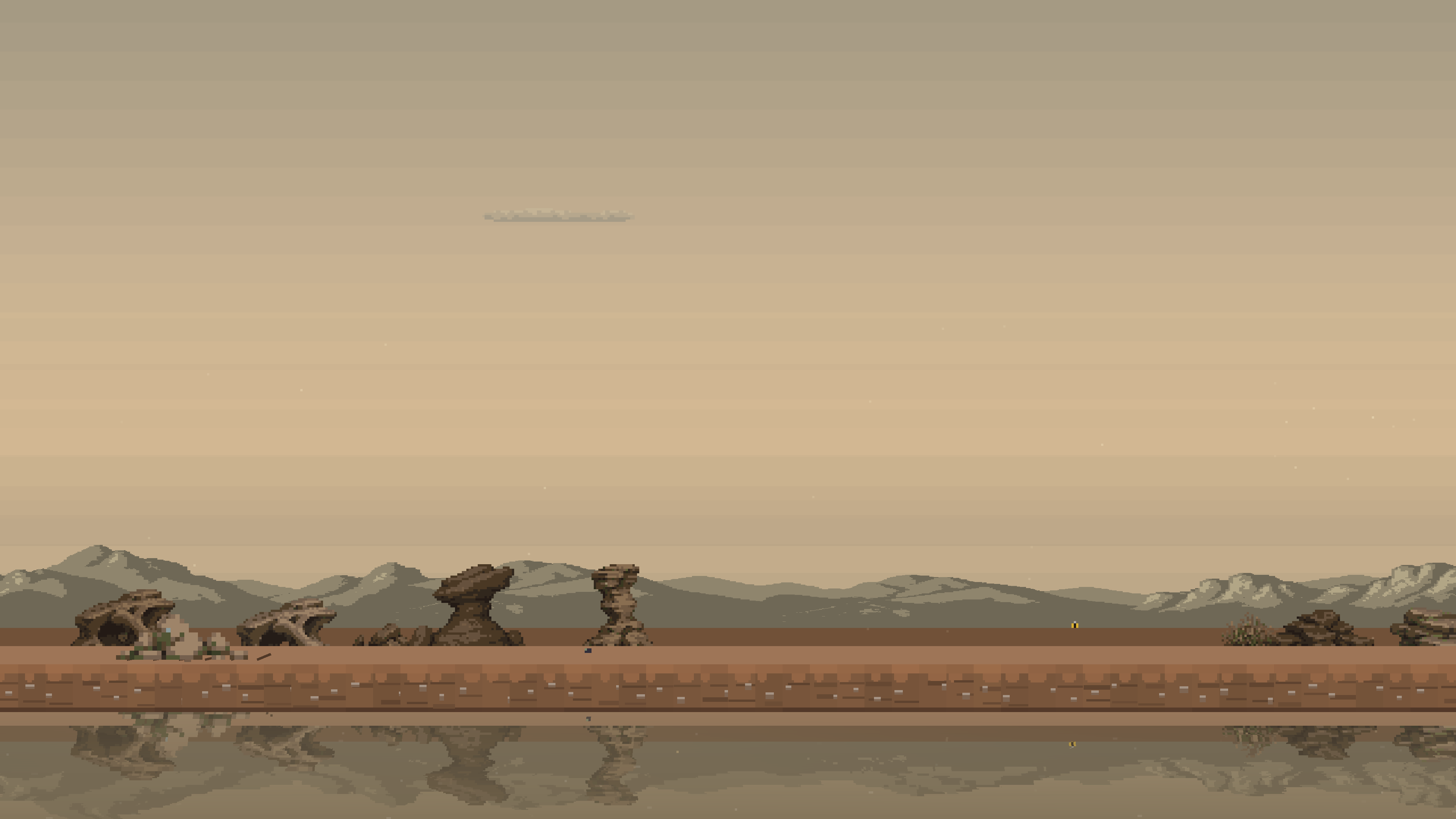
Badlands
Scrub and weathered stone break up the dry ground. Builders work faster here, and so do the enemies approaching your walls.
Tundra
Sparse pines and cold ground leave room for long views. Your archers gain range, but the scarcer deer give you fewer visits to count on.
Winter
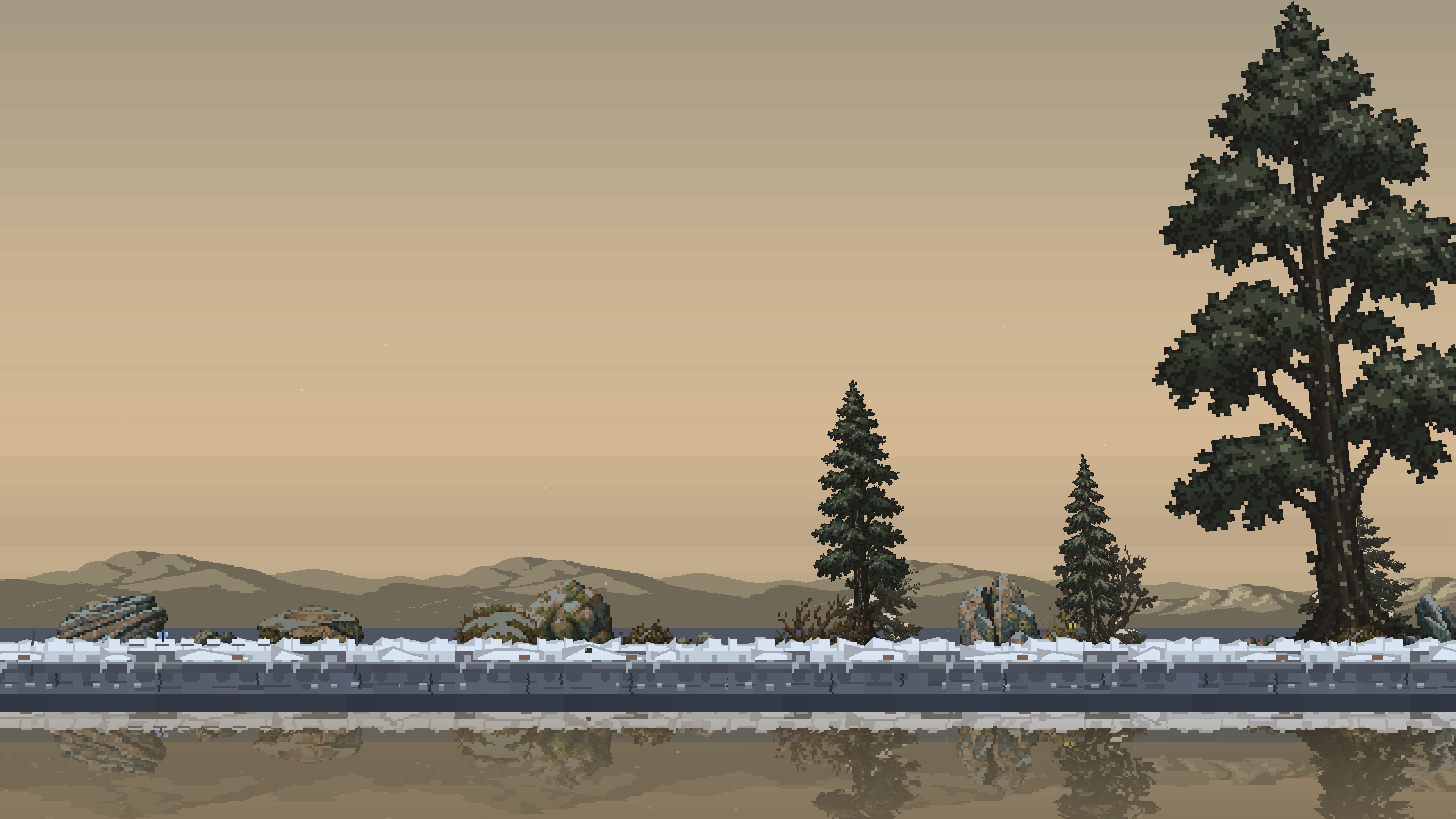
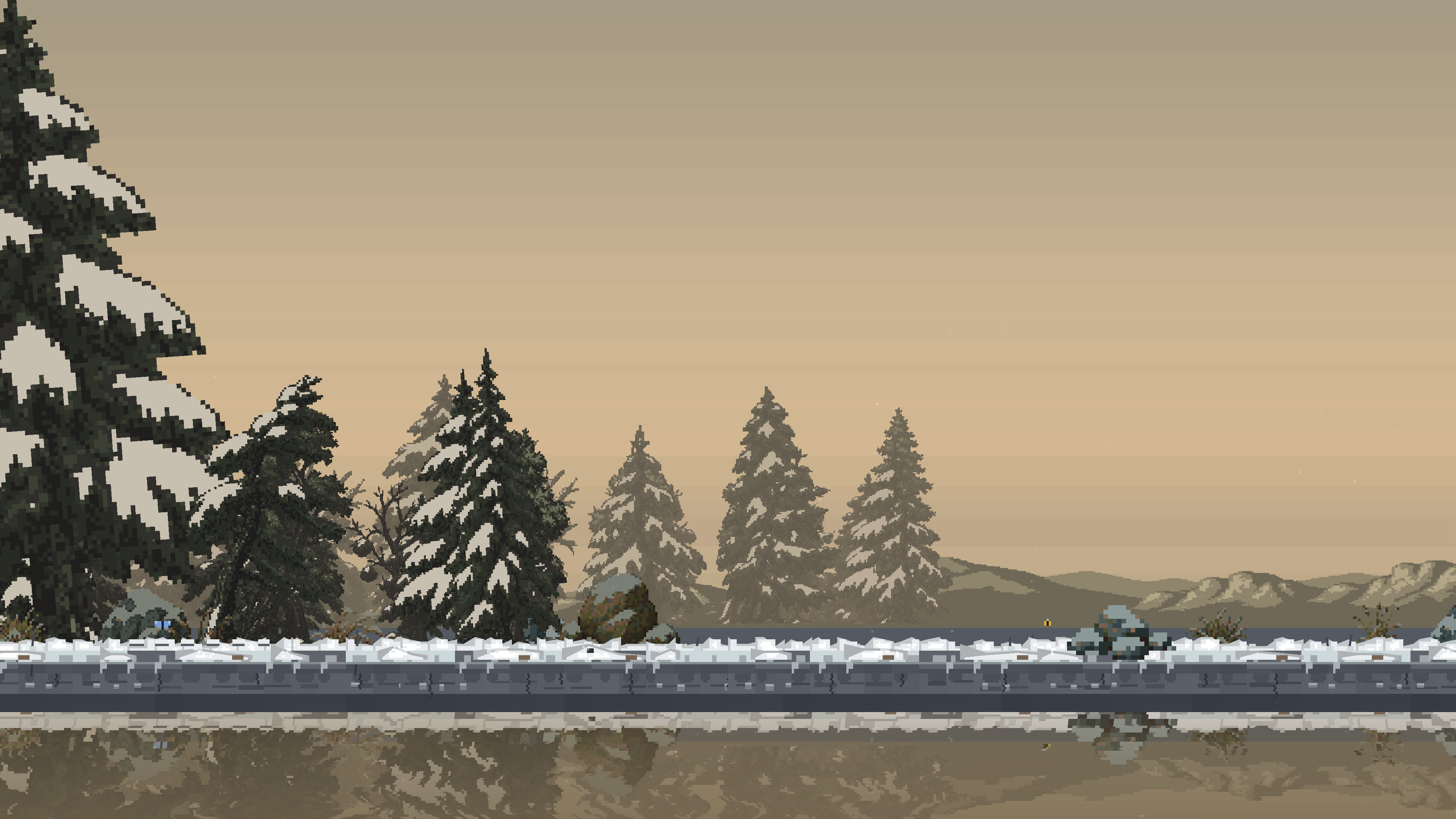
Snow changes the ground, the crowns and the distance between their dark silhouettes. Wraiths move more slowly here, but healing also takes longer.
Winter is a biome, and Frost is a season as well. The year can change the trees and bring cold weather beyond the places that begin in snow.
Volcanic
Dark earth, scorched vegetation and broken rock give the volcanic landscape a harsher outline. Building is faster here; healing is slower, making recovery part of the cost of settling in.